

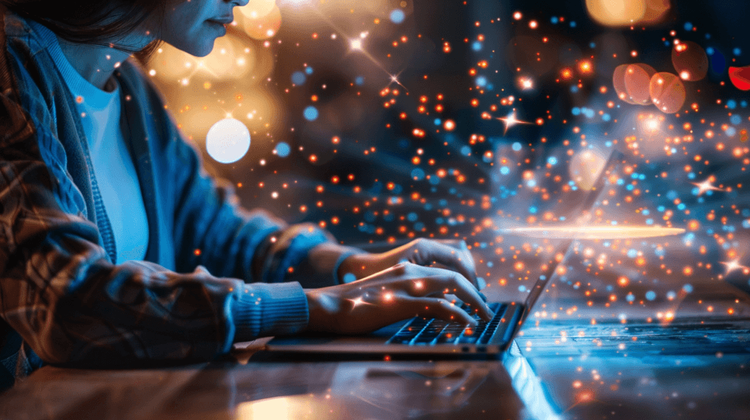
Artificial intelligence is transforming the way we create content, from writing and video production to music composition and digital art. Tools like ChatGPT (text generation), Runway (AI-powered video editing), and HeyGen (AI-generated avatars and voiceovers) are revolutionizing the creative process, making it faster and more accessible than ever. But as AI continues to evolve, the question remains: Is it enhancing creativity, or is it replacing it?
The AI Boom in Content Creation
AI-generated content is no longer a futuristic concept, it’s already here. Writers use AI to draft articles and generate ideas, video creators use AI-powered editing to automate tasks, and brands use AI avatars to create engaging marketing materials. For instance, Runway’s AI allows filmmakers to edit videos using simple text prompts, while HeyGen generates lifelike avatars that can speak in multiple languages, opening new doors for global content distribution.
Enhancing or Replacing Human Creativity?
AI has the power to boost productivity, allowing creators to generate ideas, automate tedious tasks, and streamline their workflows. A writer facing creative block can use AI to brainstorm new topics, while a designer can use AI-powered tools to enhance their visual storytelling. AI democratizes content creation, making advanced tools accessible to those without technical expertise.
However, critics argue that AI could diminish originality. If everyone relies on AI to generate content, will we end up with an oversaturation of generic, machine-produced material? The risk of AI replacing human touch in storytelling and artistic expression is a growing concern.
The Risks of AI-Generated Content
Plagiarism and Copyright Issues
One major challenge is that AI-generated content sometimes closely resembles existing work. Since AI models are trained on vast datasets, they may unintentionally replicate phrases, designs, or ideas, raising concerns about plagiarism and copyright infringement.
Misinformation and Deepfakes
AI-powered tools can create hyper-realistic images, videos, and voices, which, while impressive, also pose risks. The rise of deepfake technology, for instance, makes it easier to spread misinformation, creating ethical concerns in journalism, politics, and media.
Over-Reliance on AI
As AI becomes more advanced, there’s a risk that creators may become too dependent on it, leading to a decline in critical thinking and originality. If AI does the heavy lifting, will human creativity suffer in the long run?
How Creators Can Use AI Without Losing Their Unique Voice
AI should be seen as a collaborative tool rather than a replacement for human creativity. Here are a few ways creators can make the most of AI while maintaining originality:
- Use AI for brainstorming, not final drafts: Let AI generate ideas, but refine them with your personal touch.
Fact-check AI-generated content: Ensure accuracy and originality before publishing.
- Combine AI with human creativity: AI can automate repetitive tasks, but true innovation comes from human insight.
- Maintain ethical standards: Be mindful of plagiarism, misinformation, and AI biases.
The Future of AI in Creativity
AI is not the enemy of creativity, it’s a powerful tool that, when used wisely, can amplify human expression. The key is to strike a balance: embrace AI’s efficiency while preserving the unique, emotional, and imaginative aspects of human creativity.
As AI technology continues to evolve, the creators who learn to collaborate with it, rather than rely on it entirely, will be the ones who stand out in the digital age.
Published by MCR One.
View Original Article