



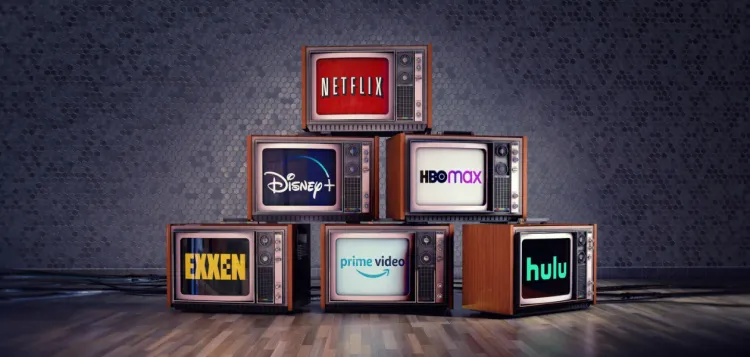
When YouTube launched in 2005, few imagined it would spark a transformation in media consumption. Netflix's emergence shortly after in 2007 hinted at potential change, but the following 18 years have surpassed expectations, profoundly reshaping the entertainment and media industry. This transformation continues to accelerate, driven by live streaming, over-the-top (OTT) platforms, and immersive technologies like virtual reality (VR) and augmented reality (AR).
The global media and entertainment market isn't just influential, it's thriving. By 2032, projections place its value at a remarkable $5,279.3 billion USD. At the core of this growth is technology, influencing movies, television, gaming, and internet-based content. Artificial intelligence (AI) and advanced data analytics particularly stand out, offering significant opportunities for broadcasters and media companies to increase revenues and audience engagement.
The Rise and Impact of Streaming Platforms
Streaming platforms have significantly changed how audiences access and consume media, driven primarily by advanced software solutions. Leading services like Netflix, Disney+, and Spotify utilize sophisticated algorithms and software to manage vast libraries, deliver seamless user experiences, and provide personalized content recommendations.
However, software’s role extends beyond mere content delivery, it empowers creators by offering greater autonomy and provides audiences personalized, relevant experiences. This dual empowerment creates a dynamic, interconnected ecosystem, transforming audience engagement through live streaming of concerts, sports events, and interactive experiences.
Netflix perfectly illustrates the potential of combining personalization with global storytelling. In 2024, Netflix invested $17 billion to diversify and enrich its content offerings, particularly targeting international hits like Squid Game and Money Heist. Leveraging powerful machine-learning algorithms, Netflix bridges cultural divides, introducing global audiences to diverse, localized narratives. This strategic approach has elevated local content while redefining storytelling globally.
Similarly, Spotify has redefined music distribution, balancing accessibility with profitability through data-driven software. Boasting over 626 million monthly active listeners, including 246 million premium subscribers, Spotify demonstrates the impact of personalized user experiences powered by sophisticated analytics. Beyond streaming, Spotify provides artists essential tools such as real-time analytics, audience insights, and direct fan engagement, empowering musicians to strengthen their fanbase and optimize their career paths.
As media and entertainment continue evolving, technological advancements promise ongoing innovation—not just in content distribution but also in reshaping storytelling itself.
Published by MCR One.
View Original Article